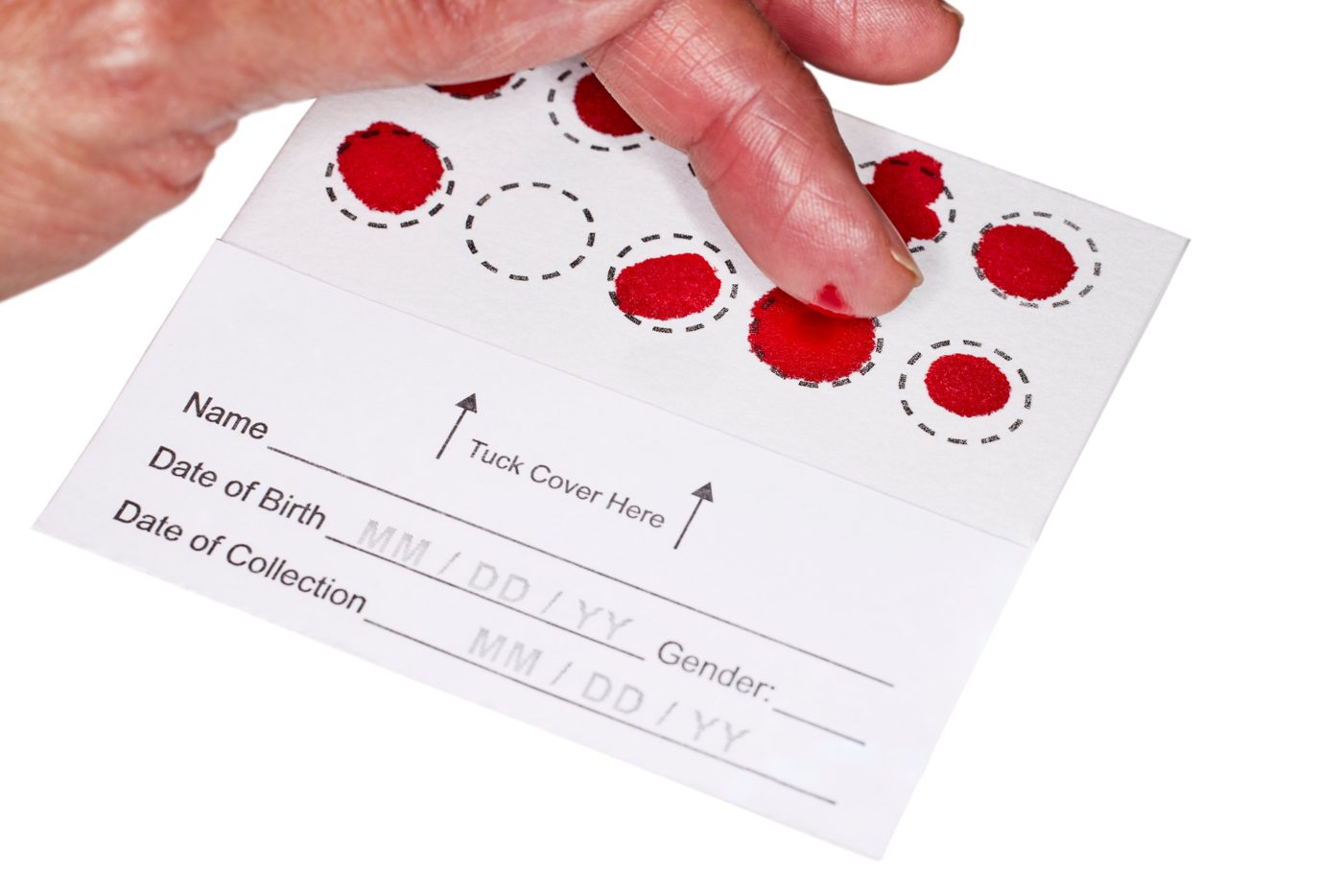
What the test returns
One figure: total NAD in capillary blood, in micromoles per litre. That total combines the oxidised form, NAD⁺, and the reduced form, NADH. The measurement is made by enzymatic cyclic assay on a dried blood spot.
We say this plainly because some marketing in this field implies more. The test does not report NAD⁺ and NADH separately, and it does not give you a redox ratio between them. It gives you one well-measured number, and it gives it to you against a reference range built from a study of 1,068 people, narrowed to those meeting health-based exclusion criteria, then split by age and sex.
Your result falls into one of five bands, from low through optimal to elevated. Both ends are worth knowing about: low NAD is the one people expect, but an elevated result matters too, and often reflects heavy supplementation rather than anything else.
Your result is placed in one of five bands. The boundaries shown are those used in the laboratory report; the band that counts as optimal shifts with your age and sex.
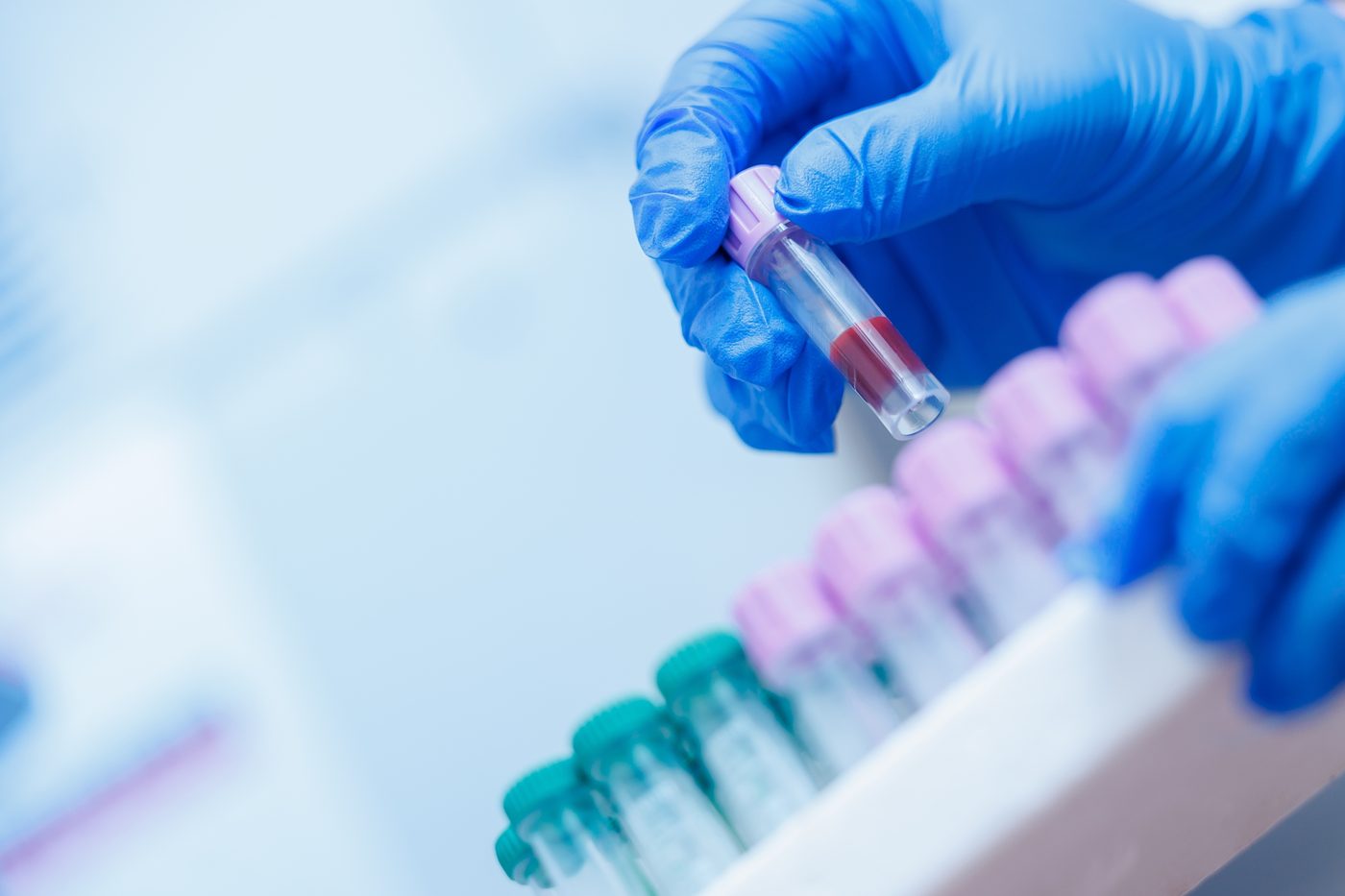

Why anyone measures it
NAD-dependent enzymes, the sirtuins and PARPs, are central to DNA repair and to how cells handle metabolic stress. Levels vary with sleep, illness, oxidative stress and alcohol, and the fall seen with age appears to be driven more by increased consumption than by age itself.
The honest position: there is real biology here and a large research literature, but no agreed clinical threshold at which a NAD level means you should do something. This is not a test your GP would order or act on. Its value is as a personal baseline — particularly if you take NMN or NR and want to know whether it is doing anything measurable.
What a high result means
Usually supplementation. NAD precursors do raise levels, which is the point of taking them, but the long-term effects of sustained high levels are not well understood and overuse has been linked to disrupted cellular regulation in experimental work. Abnormal elevations have also been associated with metabolic problems in research populations. A mildly high result in someone taking nothing is often just individual variation.
If yours is consistently above the optimal range, that is a reason to review what you are taking, not to panic.
Getting a comparable result
NAD moves quickly in response to daily life, so how you collect matters more than with most tests. Sample in the morning, before eating. Avoid hard exercise the day before, since a single intense session temporarily depletes NAD and will make your result look worse than it is. If you are tracking changes over time, collect the same way each time — and for women, on the same day of the cycle, since NAD varies across it.
If you are making lifestyle changes, retest after three to four months. If you have started a supplement, an effect may show within one to two weeks.